
Skin tightening treatments have come a long way. While traditional radiofrequency (RF) has been a go-to for years, newer technologies like Artemis T-Shape 2 are changing how patients approach firmness, texture, and overall skin quality.
If you’re deciding between the two, it helps to understand how each works—and what kind of results you can expect.
What Traditional RF Skin Tightening Does Well
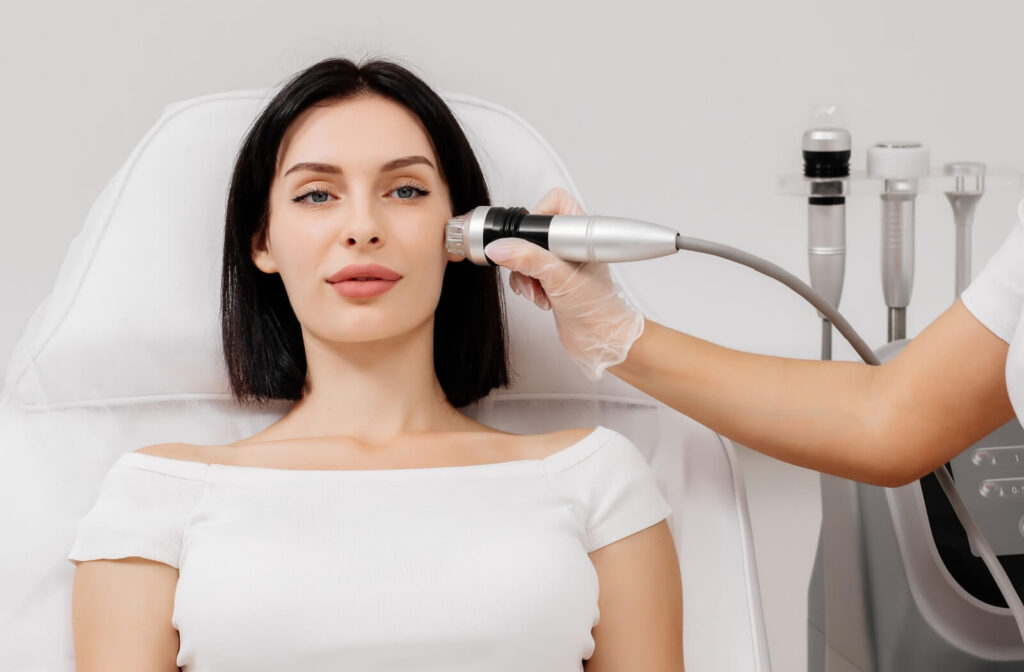
Radiofrequency treatments use controlled heat to stimulate collagen and elastin production deep within the skin. This process helps improve laxity, soften fine lines, and gradually create a firmer appearance over time.
RF treatments are widely used because they’re:
- Non-invasive
- Effective for mild to moderate skin laxity
- Safe for many skin types
- Focused specifically on tightening and wrinkle reduction
For patients who want subtle improvement in skin firmness—especially on the face, neck, or smaller areas—RF remains a reliable option.
Where RF Treatments Can Feel Limited
Traditional RF focuses on one primary mechanism: heat.
While that works well for collagen stimulation, it doesn’t directly address other concerns like:
- Stubborn fat deposits
- Circulation and lymphatic drainage
- Cellulite or uneven texture
That means patients often need multiple treatments or combination therapies to get more comprehensive results.
What Makes Artemis T-Shape 2 Different
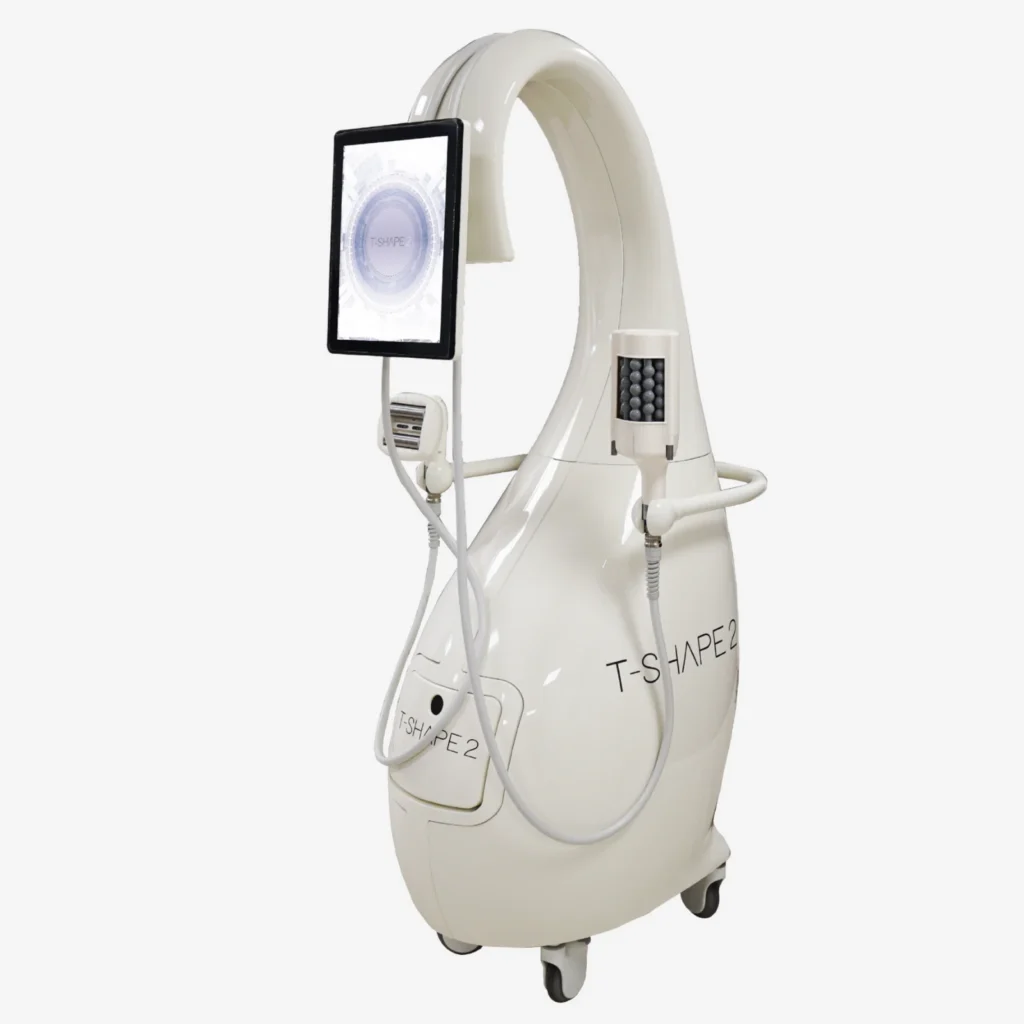
Artemis T-Shape 2 takes a multi-technology approach. Instead of relying on a single method, it combines several proven modalities into one treatment:
- Radiofrequency to stimulate collagen
- Low-level laser to target fat cells
- Vacuum suction to improve circulation and lymphatic flow
- Mechanical massage to smooth and reduce cellulite
This layered approach allows the treatment to work on multiple concerns at the same time—tightening, contouring, and improving skin texture in one session.
A More Comprehensive Approach to Skin Tightening
One of the biggest differences patients notice is how much broader the results can be with T-Shape 2.
Instead of focusing only on skin firmness, it also helps:
- Improve overall tone and texture
- Reduce the appearance of cellulite
- Support better circulation
- Contour areas with mild fat buildup
Because of this, it’s often used on both the face and larger body areas like the abdomen, thighs, and arms.
Comfort and Treatment Experience
Both treatments are non-invasive, but the experience can feel different.
Traditional RF can create a noticeable heat sensation during treatment, depending on the device and settings.
T-Shape 2 is often described as a warm, massage-like experience due to the combination of heat and mechanical movement. Many patients find it more comfortable and relaxing overall, with no downtime required.
Which One Is Right for You?
The best option depends on your goals.
RF treatments may be the right fit if you:
- Want targeted skin tightening only
- Are focused on smaller areas like the face or neck
- Prefer a simple, single-modality treatment
Artemis T-Shape 2 may be a better choice if you:
- Want both tightening and contouring
- Are concerned about cellulite or uneven texture
- Prefer a more comprehensive, full-area approach
- Are treating larger areas of the body
The Bottom Line
Both treatments can improve skin firmness—but they’re not exactly the same.
RF is a focused, proven option for collagen stimulation and tightening.
Artemis T-Shape 2 builds on that foundation by combining multiple technologies to deliver more comprehensive results in fewer treatment plans.
The right choice comes down to how much you want to address at once—and how customized you want your results to be.
If you’re unsure which approach fits your goals, a consultation can help map out the best plan based on your skin, your concerns, and the results you want to see.